

Advertisement
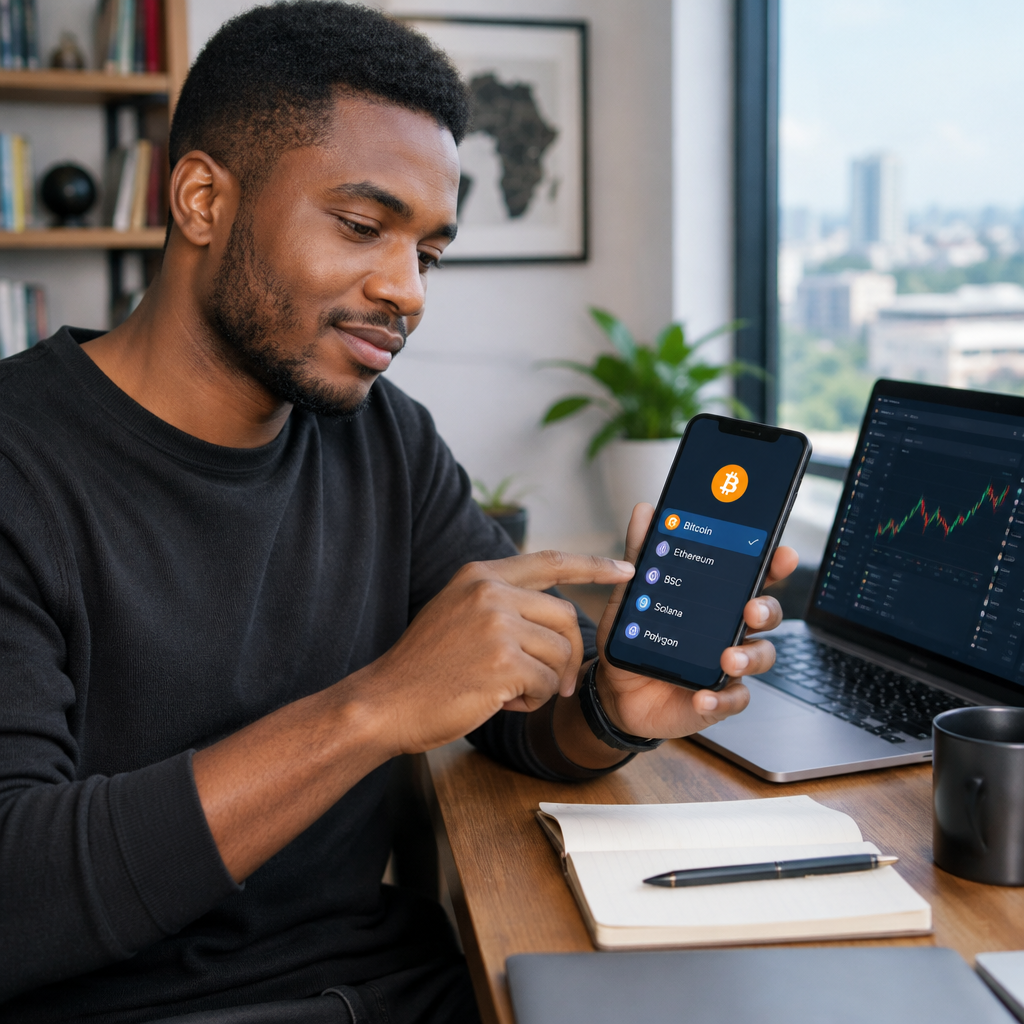
Advertisement
Withdrawing cryptocurrency should not require you to send anyone your private key, recovery phrase, wallet password, PIN or one-time code. If a person claiming to be support asks for any of these details, stop the conversation. It is almost certainly an attempt to take control of your funds.
A normal withdrawal uses a public wallet address or, where supported, another approved account identifier. Your private key stays secret because it gives control over the assets in a wallet. This guide explains how to move cryptocurrency more safely from an exchange or app to another wallet, and how to recognise common traps.
Advertisement
Table of Contents
What you need before starting
Prepare the following information before opening the withdrawal screen:
- The name and type of cryptocurrency you want to send.
- The recipient’s public wallet address, QR code or supported account identifier.
- The receiving network, if the asset can use more than one network.
- Access to your own account’s normal security methods, such as an authenticator app or email confirmation.
- A reliable internet connection and enough balance to cover any displayed network or withdrawal fee.
Ask the recipient to provide the address through a trusted channel. Do not copy an address from an unexpected direct message, social-media comment or suspicious email.
Private keys and public addresses are not the same
A public wallet address is used to receive cryptocurrency. It can normally be shared, although you should still check that it belongs to the intended recipient.
A private key is a secret credential used to control funds. A wallet’s recovery phrase, sometimes called a seed phrase, can restore access to the wallet and must be protected in the same way. These details should never be entered into a withdrawal form or sent to another person.
Legitimate support staff do not need your recovery phrase to “unlock” a withdrawal. They also should not need your password, PIN, OTP, authenticator code or full screen-control access. Anyone requesting them is asking for control information, not information required to process a normal transfer.
Step-by-step: making a safer withdrawal
1. Open the official app or website yourself
Use the platform’s official app or type its known website address manually. Avoid links sent by strangers, especially links promising a bonus, urgent account recovery or release of frozen funds.
Check the website address carefully and make sure you are signed in to the correct account. On a shared or public device, do not allow the browser to save your password.
2. Select the correct asset
Cryptocurrency names can be confusing. Some assets have similar names or symbols, and the same asset may be available on different networks. Select the exact coin or token you intend to withdraw.
Sending one asset to an address intended for another asset can result in funds becoming difficult or impossible to recover. If you are unsure, pause and check the receiving wallet’s instructions rather than guessing.
3. Copy and verify the public address
Copy the recipient’s public address directly from the receiving wallet where possible. Then compare the first and last several characters with the original address. Malware or clipboard-changing software can replace a copied address with one controlled by a criminal.
For a significant amount, compare the complete address using a trusted second method. You can also ask the recipient to confirm the address after you paste it, without asking them for any secret credentials.
4. Match the network on both sides
The sending platform and receiving wallet must support the same network for the transfer. A network is the blockchain route used to record the transaction. Selecting the wrong one may cause delays, extra recovery work or permanent loss.
Do not choose a network simply because its fee appears lower. Confirm that the receiving wallet can accept that exact asset on that exact network. If the platform requires a memo, tag or payment reference, enter it exactly as instructed. Some transfers need this extra identifier to credit the recipient’s account.
5. Review the amount and fee
Withdrawal screens usually show the amount being sent, the fee and the amount the recipient is expected to receive. Review all three before confirming. Some platforms have minimum withdrawal amounts or separate network fees, and these details can change.
Never send an extra amount because a stranger says it is needed to activate, verify or release your withdrawal. A request to “pay a fee” by sending cryptocurrency to a personal wallet is a common scam pattern.
6. Consider a small test transfer
For a new address, new wallet or unfamiliar network, send a small test amount first when the fees and minimums make that practical. Wait for the receiving wallet or platform to show the deposit before sending the remaining balance.
A test transfer does not guarantee that every later transfer will succeed, but it can reveal an incorrect address, unsupported network or missing memo before more money is at risk.
7. Confirm using only your normal security process
Complete the platform’s standard confirmation steps inside the official app or website. These may include an authenticator code, email confirmation or another security check. Do not share the code with anyone, even if they claim to be helping you.
Before approving, read the final details again. Once a blockchain transaction is broadcast, it may not be reversible in the way a bank transfer or card payment sometimes can be.
How to confirm that the transfer is progressing
After submitting the withdrawal, the platform may first show a pending status while it performs internal checks. Later, it may provide a transaction ID or hash. This is a reference for checking the transaction on a suitable blockchain explorer; it is not a password and should not be confused with a private key.
Check the receiving wallet or exchange account for the deposit and allow time for network confirmations. Do not submit repeated withdrawals just because the balance has not appeared immediately. First check the status, network, address and any required memo.
Common scams to avoid
- Fake support accounts: A person contacts you through social media and asks for your recovery phrase or remote access.
- Withdrawal release scams: Someone says you must send cryptocurrency first to unlock your funds.
- Impersonation websites: A page copies the appearance of a known exchange and captures your login details.
- Fake investment helpers: A person promises guaranteed returns and later demands a fee before allowing a withdrawal.
- Address replacement: Malicious software changes a copied wallet address before you paste it.
- Urgency and threats: A message says your account will be closed immediately unless you act through an unfamiliar link.
These risks are particularly important when using online financial services from a phone. Keep your phone’s operating system and wallet apps updated, use a strong unique password, enable multi-factor authentication and avoid installing apps from unofficial sources.
If you have already shared a secret
If you exposed a private key or recovery phrase, assume the wallet is compromised. Move any remaining assets to a newly created, secure wallet if you can do so safely. Do not reuse the exposed phrase, and do not pay a stranger who promises to recover the funds.
If you shared a password or verification code, change the password immediately through the official platform, revoke unfamiliar sessions and review withdrawal addresses and account activity. Contact the platform through its official support route, not through the person who contacted you.
A simple safety rule
To withdraw cryptocurrency safely, share only the information needed to identify where the funds should go: the correct public address, supported network and any required memo or tag. Keep private keys, recovery phrases, passwords, PINs and verification codes completely private.
When there is uncertainty, do not guess and do not let pressure decide for you. Verify the asset, address, network, fee and recipient before confirming. A short pause can prevent an irreversible loss.
Advertisement