

Advertisement
Advertisement
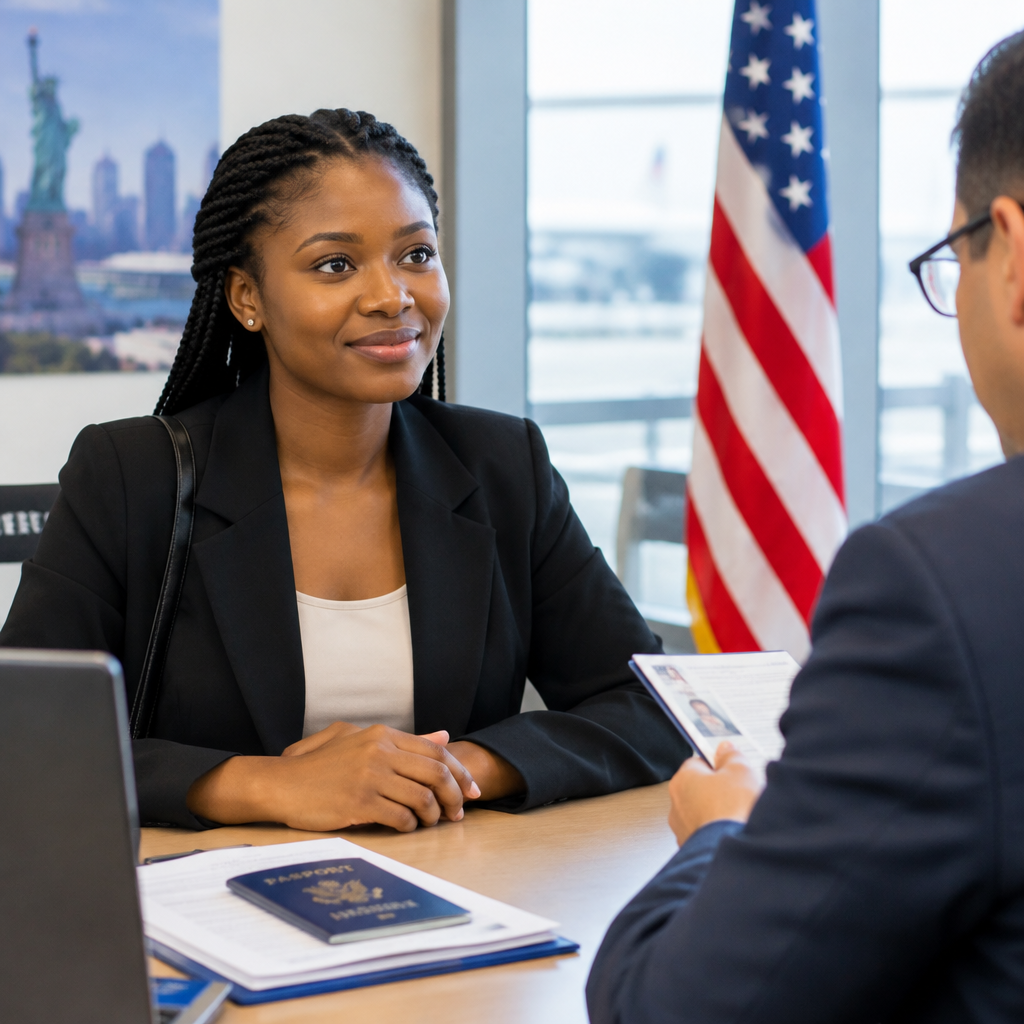
A United States visitor visa interview can feel intimidating, especially when you are unsure what the consular officer will ask or which documents to carry. The best preparation is not memorising perfect answers. It is making sure your application is truthful, your travel purpose is clear and you can explain why you intend to return to Nigeria after your visit.
A visitor visa is generally used for temporary travel such as tourism, visiting family or friends, or certain business-related activities. It is not a work visa, study visa or permission to live permanently in the United States. Your answers and documents should match the temporary purpose stated in your application.
Advertisement
Table of Contents
Understand what the interview is assessing
The interview gives the consular officer an opportunity to examine your application and ask questions about your proposed trip. The officer may consider whether:
- Your reason for travelling is consistent with a visitor visa.
- You understand where you intend to go and what you plan to do.
- You can reasonably pay for the trip, or clearly explain who will pay.
- You have meaningful circumstances that support your intention to return.
- Your answers are consistent with your application and supporting information.
This does not mean you must own property, have a particular job title or meet a fixed income threshold. Avoid relying on rumours about a guaranteed salary, bank balance or special connection. Each application is considered according to its own circumstances, and no document can guarantee approval.
Review your application before the appointment
Read through the information you submitted before attending the interview. Pay particular attention to your intended travel dates, destination, employment, marital status, education, previous travel and the person or organisation you listed as a contact in the United States.
If you discover an honest mistake, do not try to hide it or invent an explanation. Follow the official instructions for correcting information where possible, and explain the issue truthfully if asked. Providing false information can create serious immigration problems.
Prepare a simple and realistic travel plan
You should be able to describe your proposed trip in ordinary language. For example, a tourism applicant might explain the cities they hope to visit, the approximate length of the trip and the type of accommodation they expect to use. Someone visiting a relative should know the relative’s name, relationship, location and the reason for the visit.
Your plan does not need to sound like a speech. A clear answer might include:
- The main purpose of the visit.
- The expected duration.
- The places or people you plan to visit.
- Who will pay for transport, accommodation and daily expenses.
- Why you will return to Nigeria after the visit.
Do not describe plans that are inconsistent with a visitor visa. For example, saying that you intend to find work, remain permanently or study a full programme can raise questions about whether the visa category is appropriate.
Organise your documents
Follow the current document instructions for the United States embassy or consular section handling your application. Required items commonly include your passport, application confirmation, appointment information and evidence connected to your application. The exact instructions can change, so check the official source before your appointment.
Depending on your circumstances, useful supporting documents may include:
- Employment evidence, such as a recent employment letter or approved leave information.
- Business registration or business records if you are self-employed.
- School or university evidence if you are a student.
- Bank statements or other records that honestly show how the trip will be funded.
- Evidence of family, professional, educational or other commitments in Nigeria.
- Information about your host or sponsor, if another person is supporting the trip.
Supporting documents are not a substitute for truthful answers. Do not create, edit or borrow documents to make your finances or employment appear stronger. If another person is paying, explain the relationship and arrangement accurately instead of pretending to fund the trip yourself.
Practise likely questions without memorising a script
Interviews are often brief, so practise answering directly. Ask a trusted person to use questions such as:
- Why do you want to visit the United States?
- How long will you stay?
- Where will you stay?
- Who is paying for your trip?
- What do you do in Nigeria?
- Have you travelled outside Nigeria before?
- Do you have relatives or friends in the United States?
- Why will you return to Nigeria?
Answer the question asked, then stop. Long, unrelated explanations can create confusion. If you do not understand a question, politely ask the officer to repeat it. If you do not know an answer, say so rather than guessing.
Explain your ties to Nigeria honestly
“Ties” means the parts of your life that connect you to Nigeria and support your stated plan to return. These may include ongoing employment, a business, studies, close family responsibilities or other commitments. The important point is not to list impressive-sounding items; it is to explain your real situation clearly.
For example, a Nigerian entrepreneur might explain what the business does, their role in it and why they must return after the proposed visit. A student might explain their course and when they are expected to resume. A worker might describe their job, approved leave and return-to-work expectations. Only use details that are accurate and can be supported if clarification is requested.
Present your finances clearly
Your financial explanation should match the trip. A short visit with modest plans should not require an unnecessarily complicated story. Be ready to explain your income or available funds, major travel expenses and whether a sponsor will contribute.
Do not suddenly move unexplained money into an account just before the interview or submit statements that do not reflect your normal financial activity. If funds came from a legitimate source, be prepared to explain that source. Never give your bank password, card PIN, OTP or online-banking login details to an agent or stranger.
On the day of the interview
Arrive according to the official appointment instructions and carry only permitted items. Dress neatly and comfortably. Be respectful to staff and other applicants, but remember that the interview is a formal assessment, not a competition to give the longest answer.
Keep your documents organised so you can locate them quickly if requested. Do not hand over large bundles of irrelevant papers or insist that the officer review every document. Respond calmly, maintain normal eye contact and avoid arguing about rumours, previous decisions or what another applicant was allegedly asked.
Common mistakes to avoid
- Claiming to visit for tourism while secretly planning to work.
- Giving answers that conflict with the submitted application.
- Memorising artificial answers that do not sound like your real situation.
- Using fake employment letters, bank statements or invitation documents.
- Assuming an invitation letter guarantees approval.
- Believing an agent can guarantee a visa or influence the decision.
- Buying non-refundable tickets before receiving a visa decision.
- Posting or sharing private application details, passport numbers or account credentials publicly.
Use official information for the final check
Visa procedures, appointment arrangements, fees, document instructions and security rules can change. Before attending, review the United States Department of State’s visitor visa guidance and the official United States mission information for Nigeria. Use official channels for appointment questions and be cautious of agents who promise approval.
The strongest preparation is consistency: a genuine temporary purpose, a realistic itinerary, an honest funding explanation and a clear account of your life in Nigeria. Prepare to explain your circumstances—not to perform a memorised story. That approach gives the officer useful information and helps you avoid mistakes that can damage an otherwise genuine application.
Advertisement